
Discover the essential elements of beautiful kitchen cabinets.
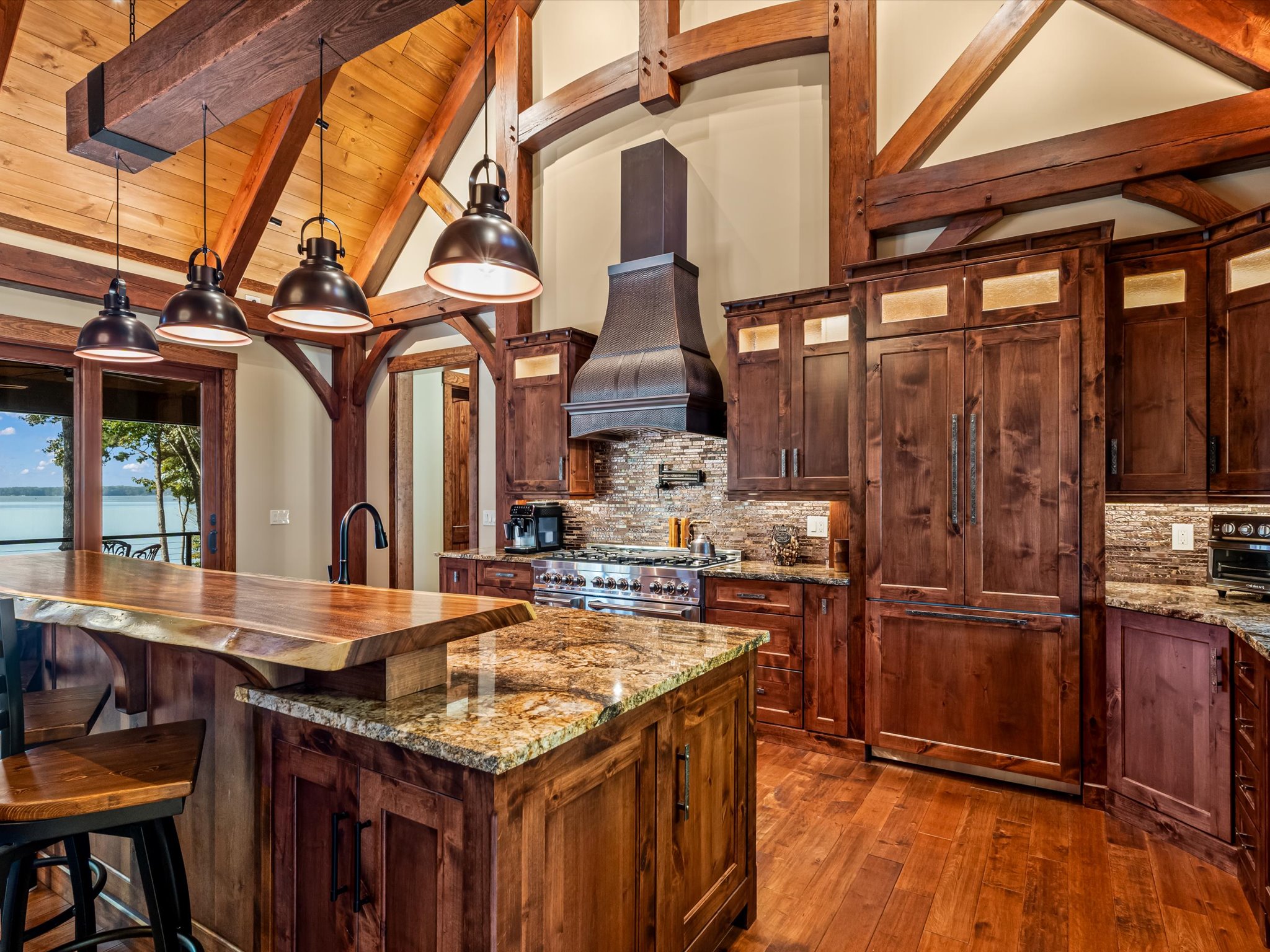
See more of this custom timber home on the shores of Lake Norman in Mooresville, North Carolina here.
Choosing the design of your kitchen cabinets is a chance to express your personal style and further enhance your custom timber frame home. With cabinet design comes a myriad of decision points impacting aesthetics, performance, and even aging in place. This quick guide will equip you with the vocabulary to start communicating the exact look and function you desire, whether that’s to your interior designer, builder, custom cabinetmaker or otherwise. (Woodhouse excels at working with all members of your home team — from architect to designer and more.)
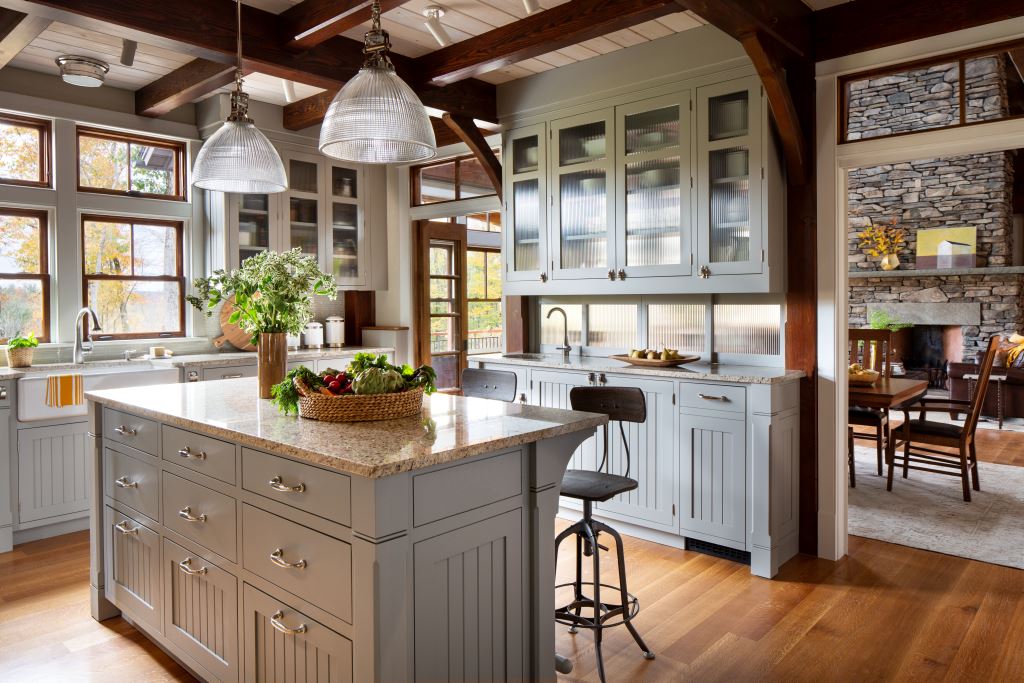
Tour this custom Douglas fir timber frame home in Forestburgh, New York.
What are the Best Materials for Kitchen Cabinets?
Material selection must withstand the rigors of heavy loads and daily usage. Popular options include:
- Solid Wood. Color, grain patterns, durability, and stain absorption differ among wood species. Hardwoods such as oak, cherry, walnut, and maple are hardy and popular. Softwoods are more vulnerable to dings.
- Medium-Density Fiberboard (MDF). These flat, smooth, and heavy panels are an engineered product. The absence of knots make it great for painting. Downsides include propensity to moisture damage and a lower weight-bearing capacity.
- Plywood. Constructed with stacked and glued wood veneers, cabinet-grade plywood offers strength and stability.
- Wood Veneer. This hyper-thin sheet of real wood laminated to a substrate resembles solid wood.
Learn the Door Styles
From contemporary chic to cottage charm, cabinet doors enhance a home’s aesthetics. Here’s a quick rundown:

See the rest of this modern mountain getaway in North Carolina.
Slab: This style is simple, flat, and can be made with different materials, including wood, beadboard, melamine, glass, or metal.
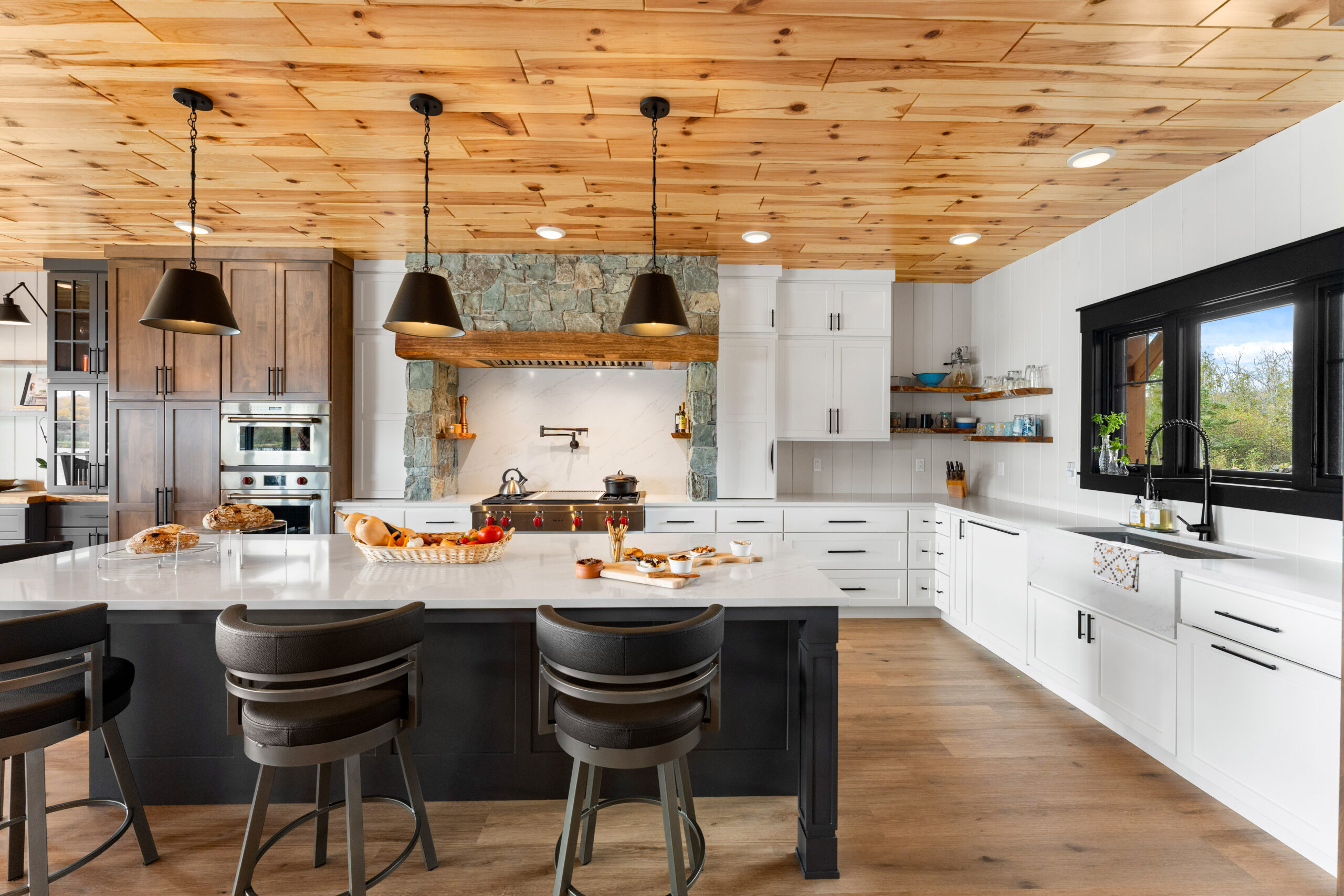
Check out this waterfront home in Michigan’s Upper Peninsula.
Shaker: Flat, unadorned center panels are framed by clean, minimal trim. The center panel can be swapped for different materials.

Step inside this 8,000-square-foot luxury lake house.
Raised Panel: This style features a raised center panel, often framed with grooved detailing.
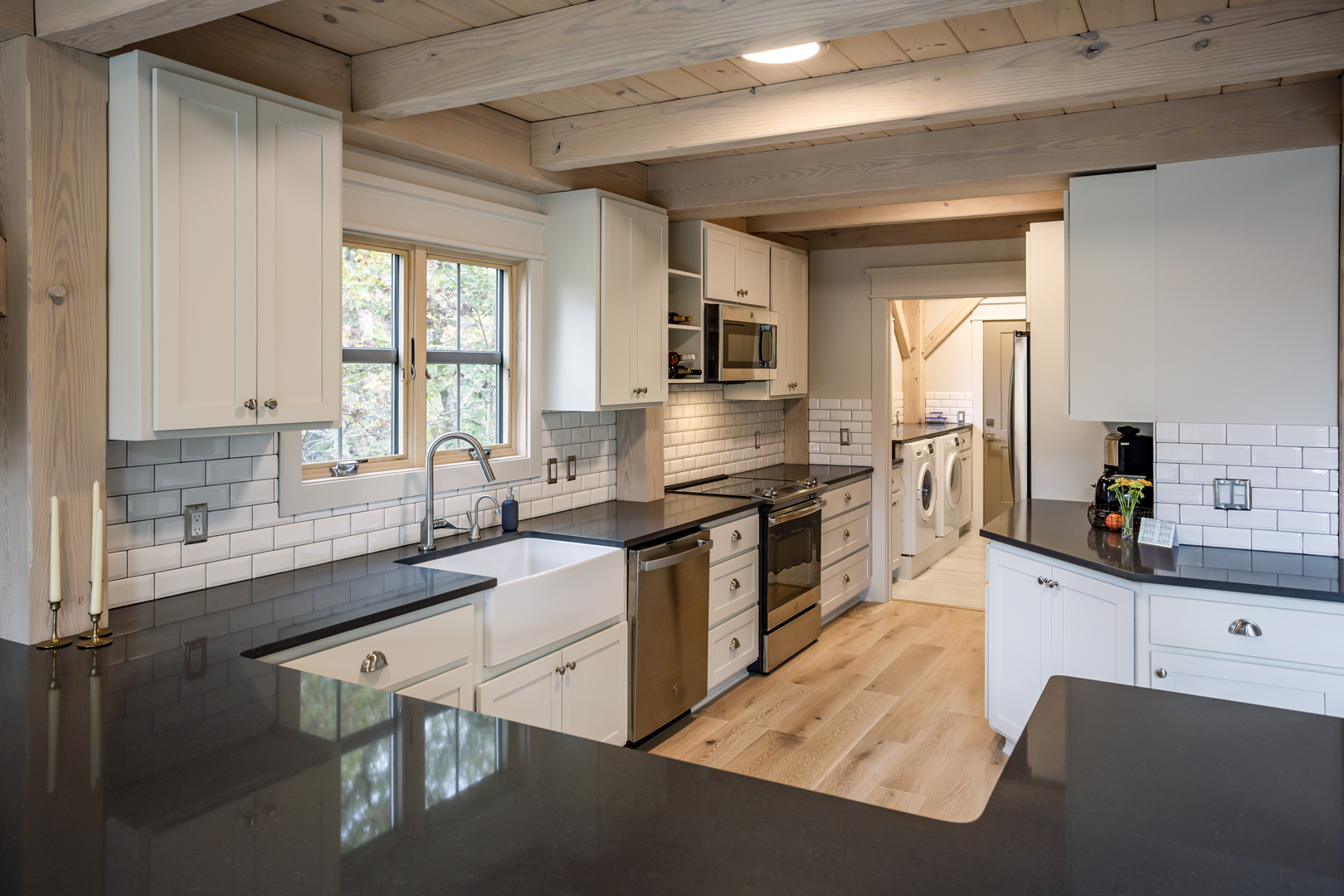
See the rest of this Bend, Oregon cabin here.
Framed Overlay: A portion of the cabinet frame remains visible when everything is shut.

Check out the creative design of this home in Colorado’s mountains.
Frameless or European: Drawers and doors are mounted outside the frame and cover it entirely.
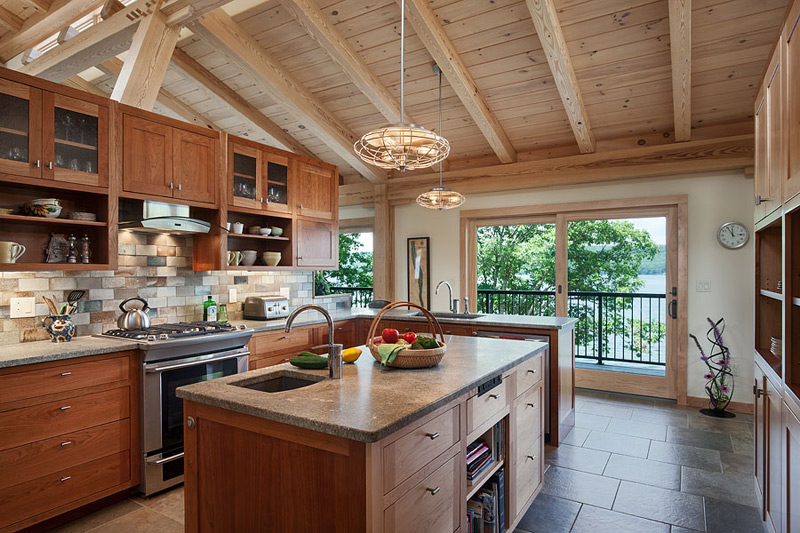
View the rest of this New York lake home’s interiors here.
Inset: Drawers and cabinet doors are mounted inside the frame for a flush surface.
Hardware
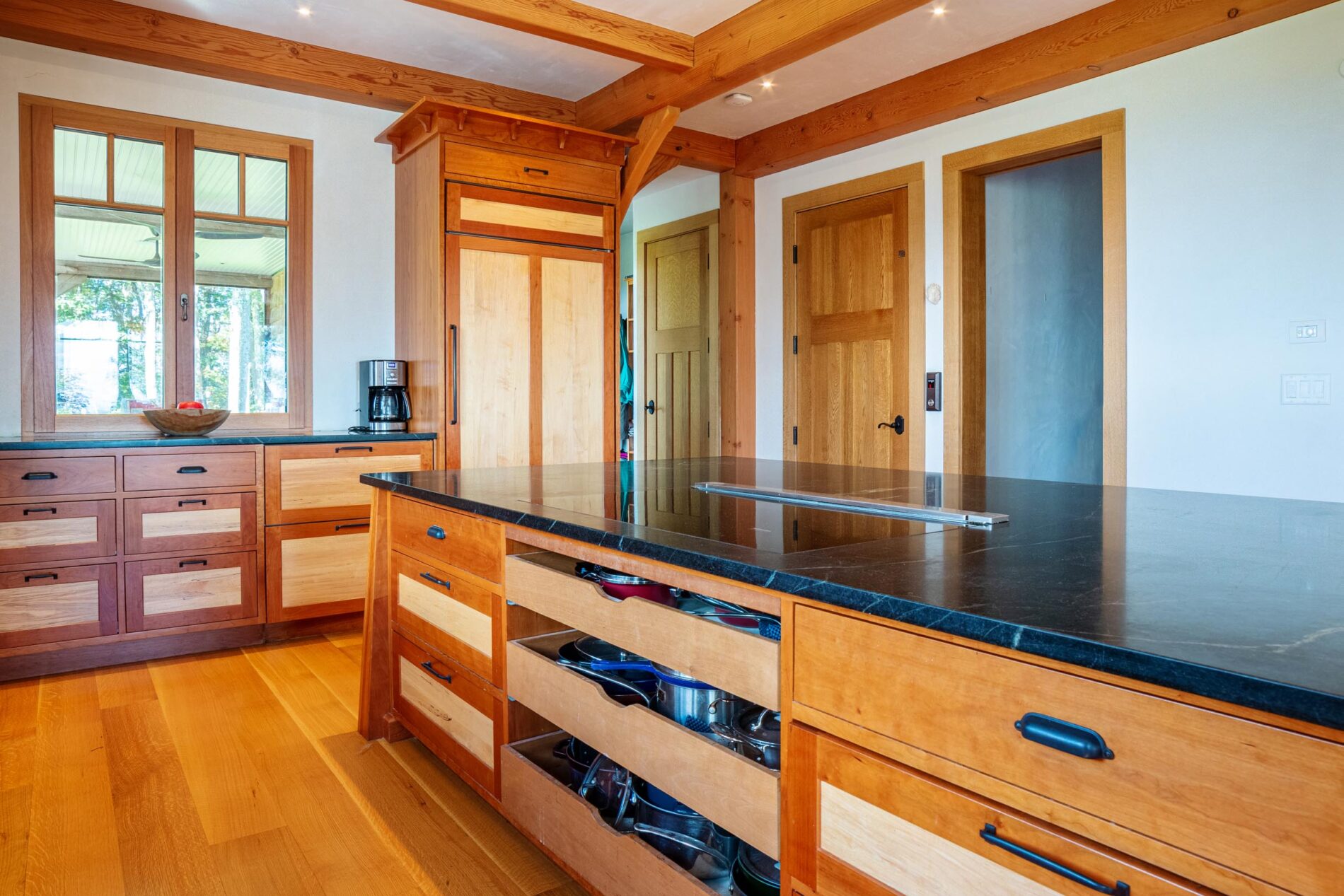
See more of this Berkshires project here.
Hardware encompasses handles, pulls, and drawer slides. Integrated finger pulls are another option. Soft-close hardware eliminates harsh bangs and slams.
Optimizing for Accessibility
Universal design, which focuses on making spaces accessible and functional for all, is a wise approach for a forever home. In the kitchen, this may take the form of work spaces—including lower cabinets and countertops—set between 28 and 34 inches high. For aging in place, choose easy-to-grab drawer pulls or caps (pictured above) instead of knobs.
The Finishing Touch

See more here.
A cabinet’s finish completes the look. Wire-brush finishes give wood an aged, rugged patina, while two-toned wood or paint is popular for visual interest. Wood stains can be natural or colored.
Ready for More Inspiration?
Dive into our online gallery for more ideas or contact us with questions about starting your own custom timber frame home design.
Meet the Experts
Dwayne Shell reviewed this post. Dwayne is the Director of Sales and Marketing at Woodhouse, The Timber Frame Company with over 30 years of experience in conventional and manufactured home sales.


