Answers to the top questions around flooring choices for timber frame homes.
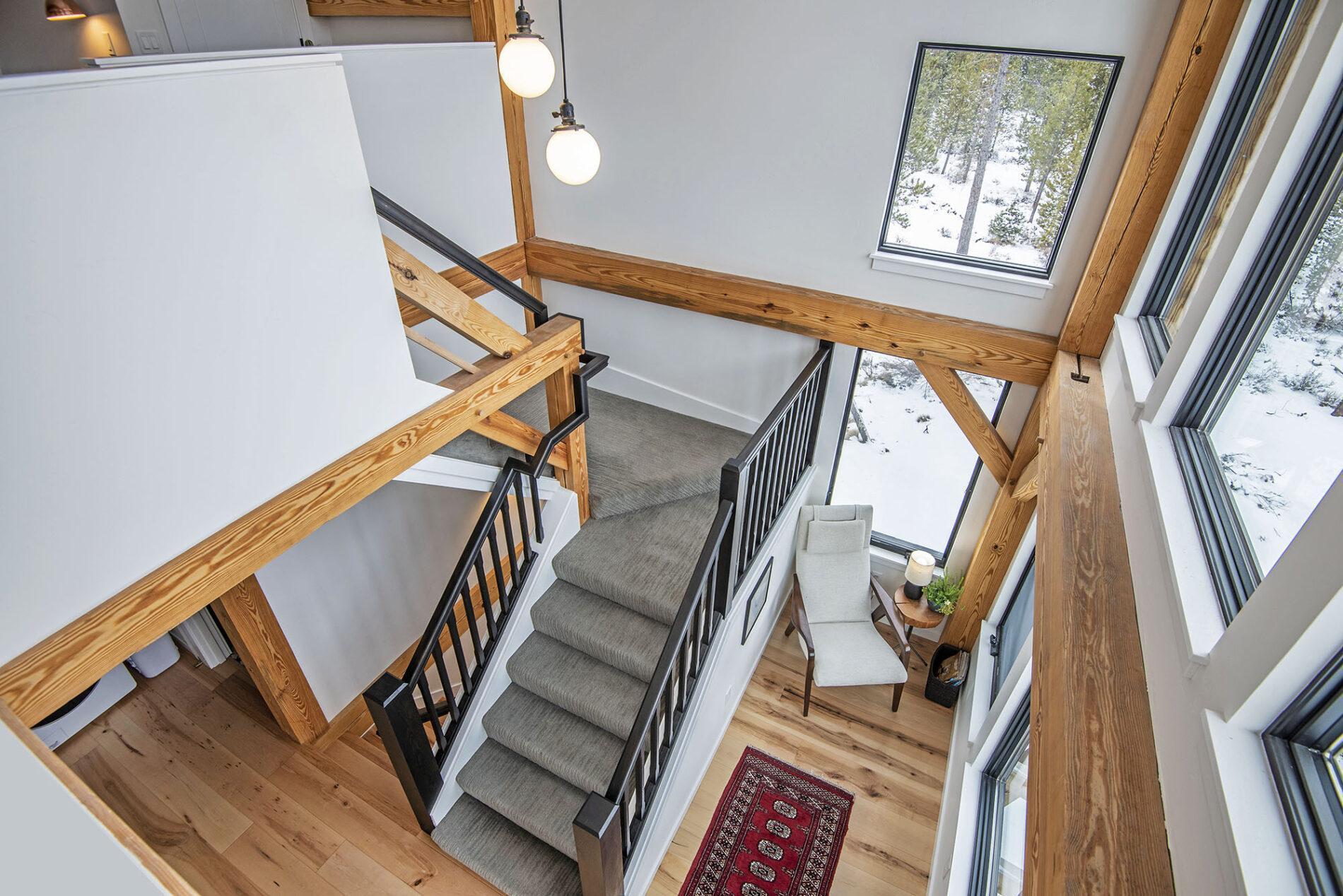
Table of Contents
Popular Flooring Pros and Consed
Every decision a homeowner makes for their unique timber frame home shapes their daily living experience. As a trusted partner in your timber frame journey, we want your selections — down to the flooring— to beautifully integrate with your lifestyle, needs, and personal aesthetics. While flooring is not a part of the Woodhouse package, you can use our decades of experience (and the choices of our past clients!) to empower your decisions about this critical element.
How Does Flooring Complement the Timbers?
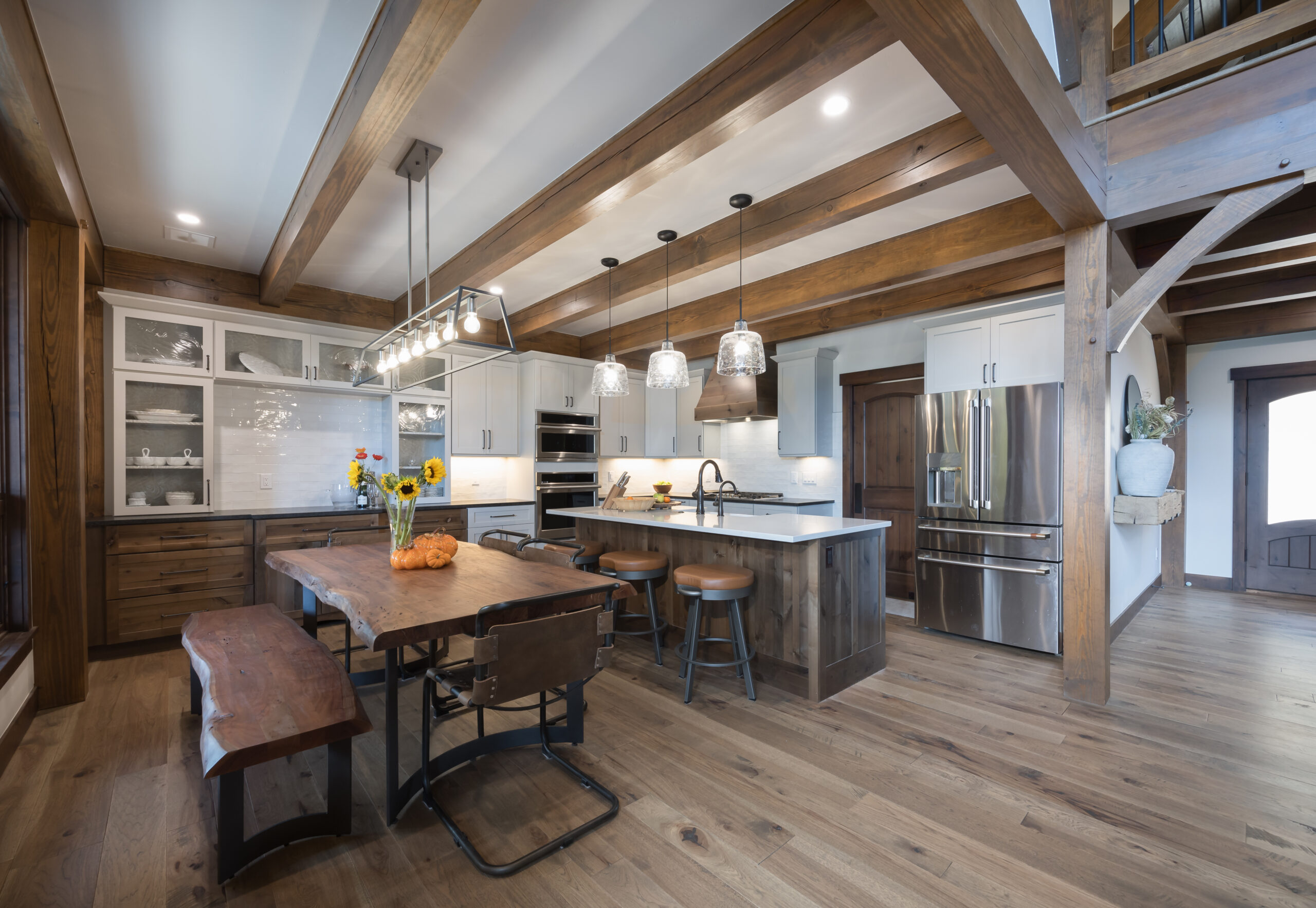
Flooring supports timber frame style and functionality. Consider this; flooring exists in all types of homes, but only an exclusive few boast the stunning aesthetics of structural posts and beams. Homeowners choose timber frame homes because they love the luxurious high-performance and biophilic qualities the timbers impart. Because flooring works together with a timber frame home’s aesthetic, this design detail add to the wow-factor. Scale, texture, and patterns all support a room’s mood.
What Are the Pros and Cons of Popular Flooring Choices?
Depending on the room’s purpose and your desired aesthetic, some flooring materials are more suitable than others. Within each application, every flooring selection is going to have benefits and drawbacks. Take a quick look at some of these pros and cons:
Hardwood
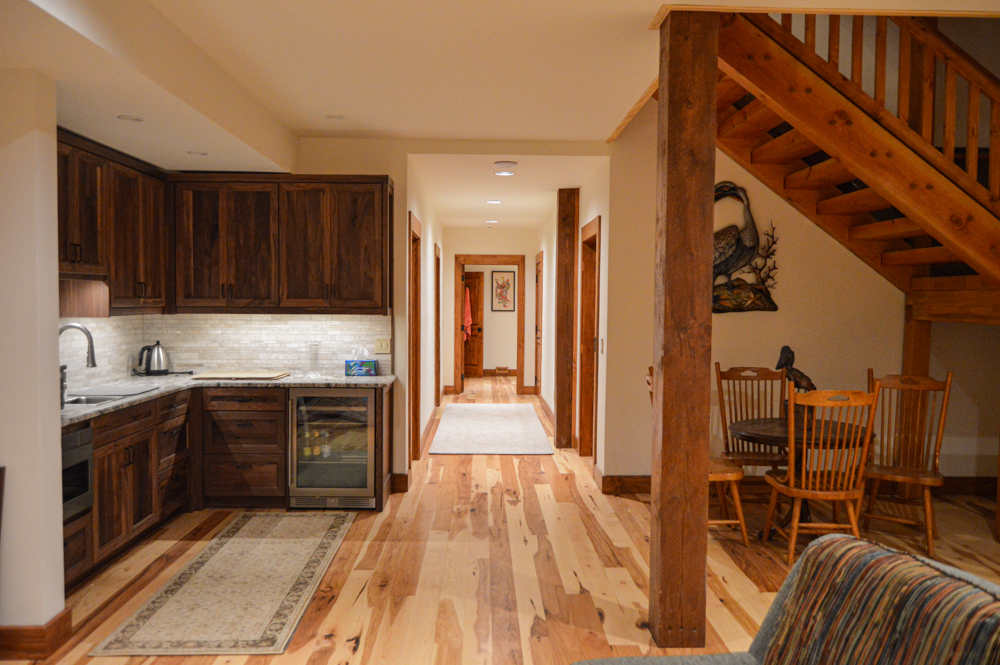
Pros – Sharing the same origin story as timbers, hardwood flooring is a natural complement to timber frame homes. Easy to clean and durable, hardwood flooring is practical for a low-maintenance home. In homes with canine residents, opt for particularly hardy species like maple, hickory, or oak. Finishes matter too. Prefinished hardwood features a layer of polyurethane that’s been baked on in a factory with aluminum oxide—this creates a protective layer that’s more durable than boards that are finished on-site. Hardwood floors can also be sanded down and refinished for a fresh look. In addition to its sustainability appeal, reclaimed wood flooring is an instant story, imbuing a home history. With many different species of hardwood to choose from, you have options to achieve the perfect look and performance.
Cons – Drawbacks depend on species. Oak, walnut, Douglas fir, hickory, and pecan can be expensive. Pine is more affordable, but it’s also softer. Wood floors can be susceptible to moisture and temperature, resulting in shrinking and expanding or squeaking.
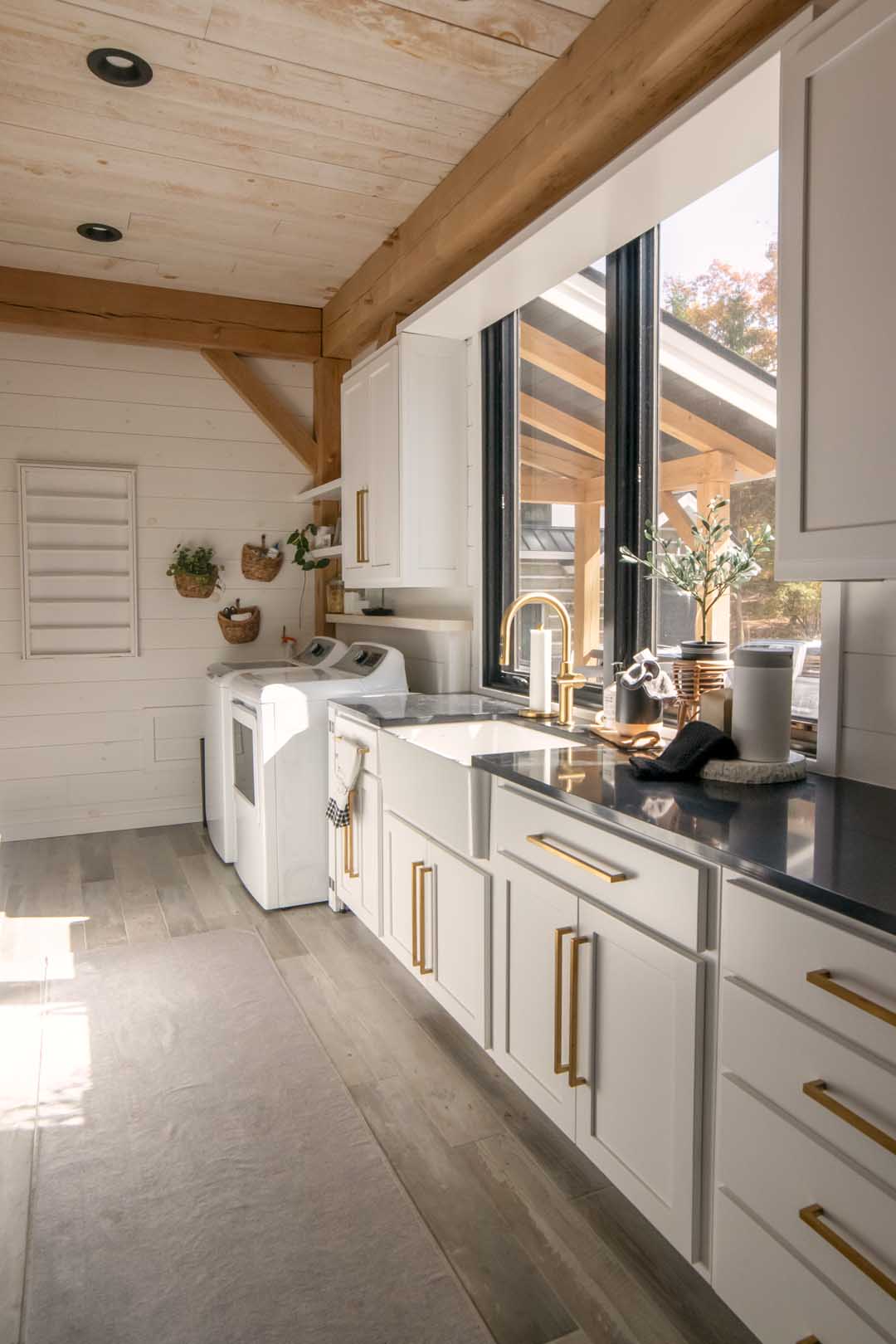
Luxury Vinyl Plank (LVP)
Pros – Love wood, but need to accommodate the rough-and-tumble traffic of pets and kids? LVP is an excellent choice. LVP is scuff, scratch and water resistant, making its durability hard to beat. Textured surfaces can mimic wood for a more genuine appearance.
Cons – For some homeowners, “mimic” is a dealbreaker. Timbers impart a certain level of authenticity and LVP, while practical, is simply not wood. LVP cannot be refinished and it’s susceptible to UV damage.
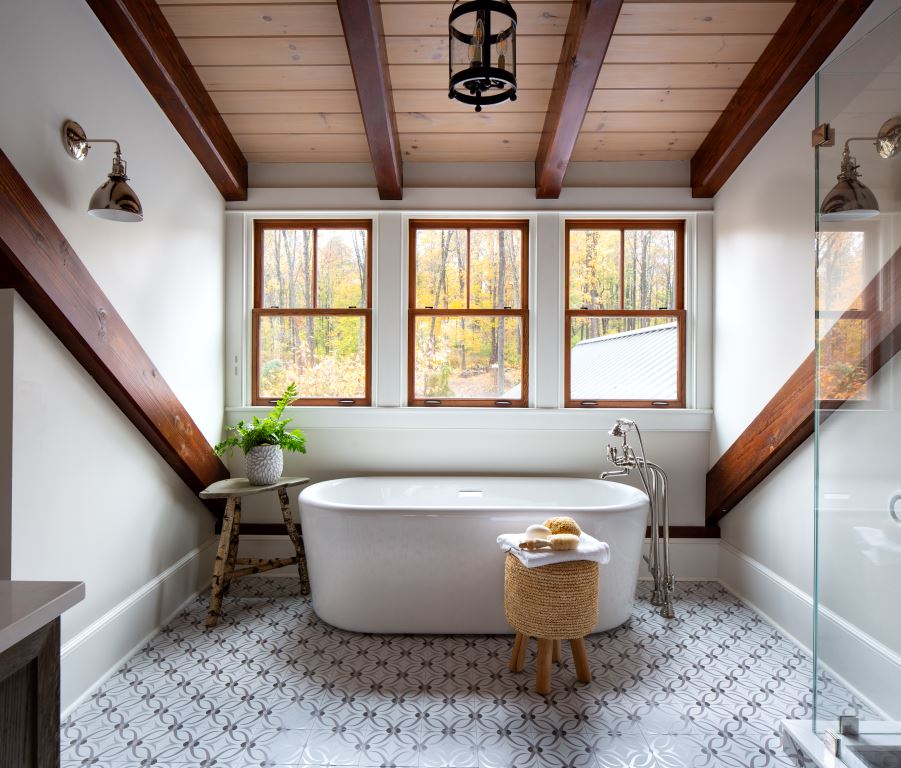
Stone, Tile and Concrete
Pros – With their elemental appeal, stone, tile, and concrete are an option for homeowners seeking hardy materials for high-traffic zones. These are the hardest, densest materials available and hold up to the heaviest foot traffic. When it comes to aesthetics, there are countless options for stone and tile available, and concrete can be tinted to bring a touch of tasteful color. Plus, concrete and porcelain tiles work well with heated flooring systems.
Cons – The biggest downside to these materials is their porosity, which makes them susceptible to stains and water damage. They can also be cold and hard underfoot; not ideal for bare feet on a winter day. (However, many tiles and concrete can be installed with radiant heat flooring, transforming them into a gentle heat source for cozy spaces.
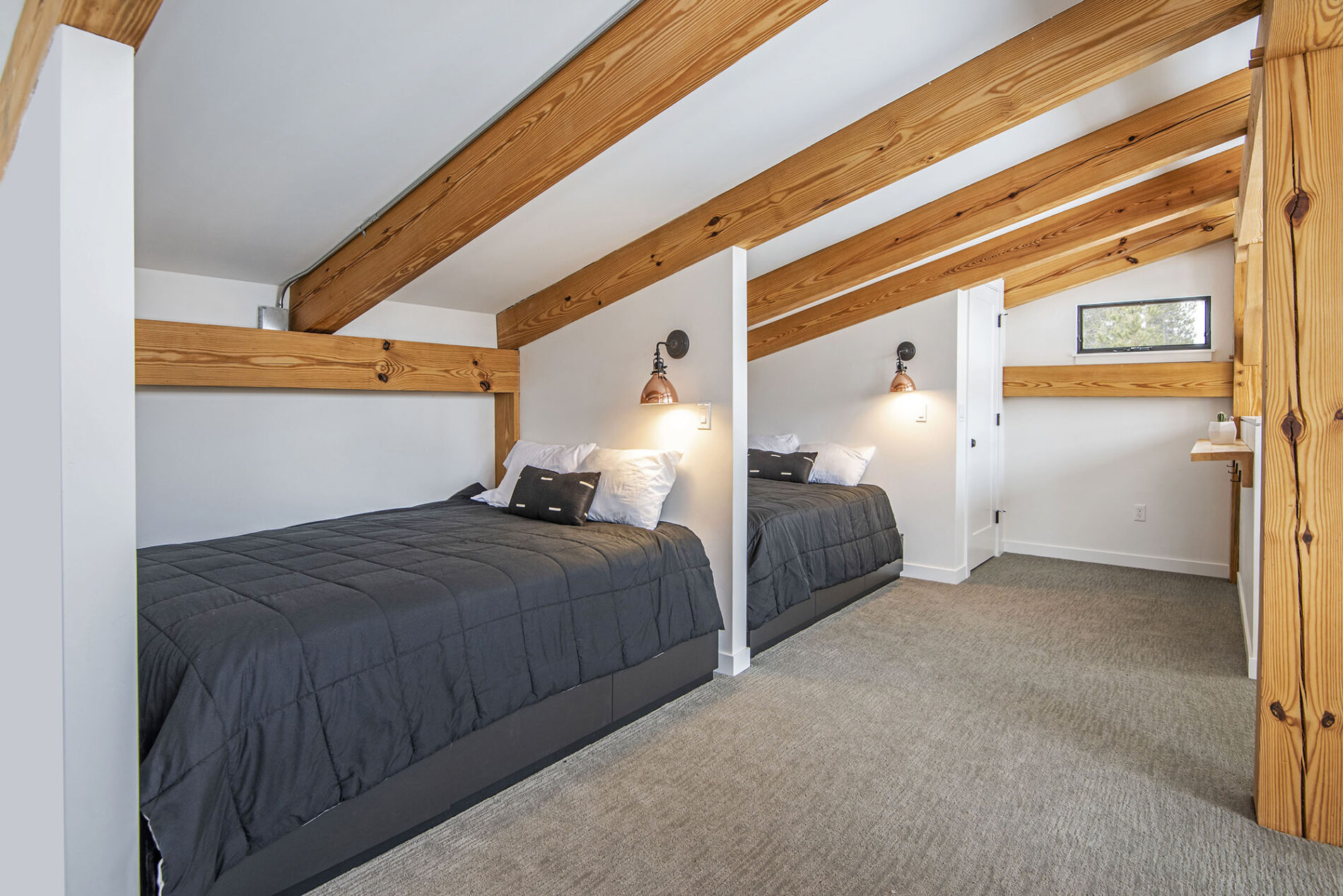
Carpet
Pros — Famously soft underfoot, carpet is still a popular choice for spaces where a little comfort goes a long way, like bedrooms or media rooms. It’s also particularly favored in these spaces — especially on upper floors — for its sound absorption.
Cons — Carpet can trap allergens and dirt and is more vulnerable to spills and stains. It’s also sensitive to moisture, and, depending on upkeep, has a shorter lifespan than other, more durable materials.
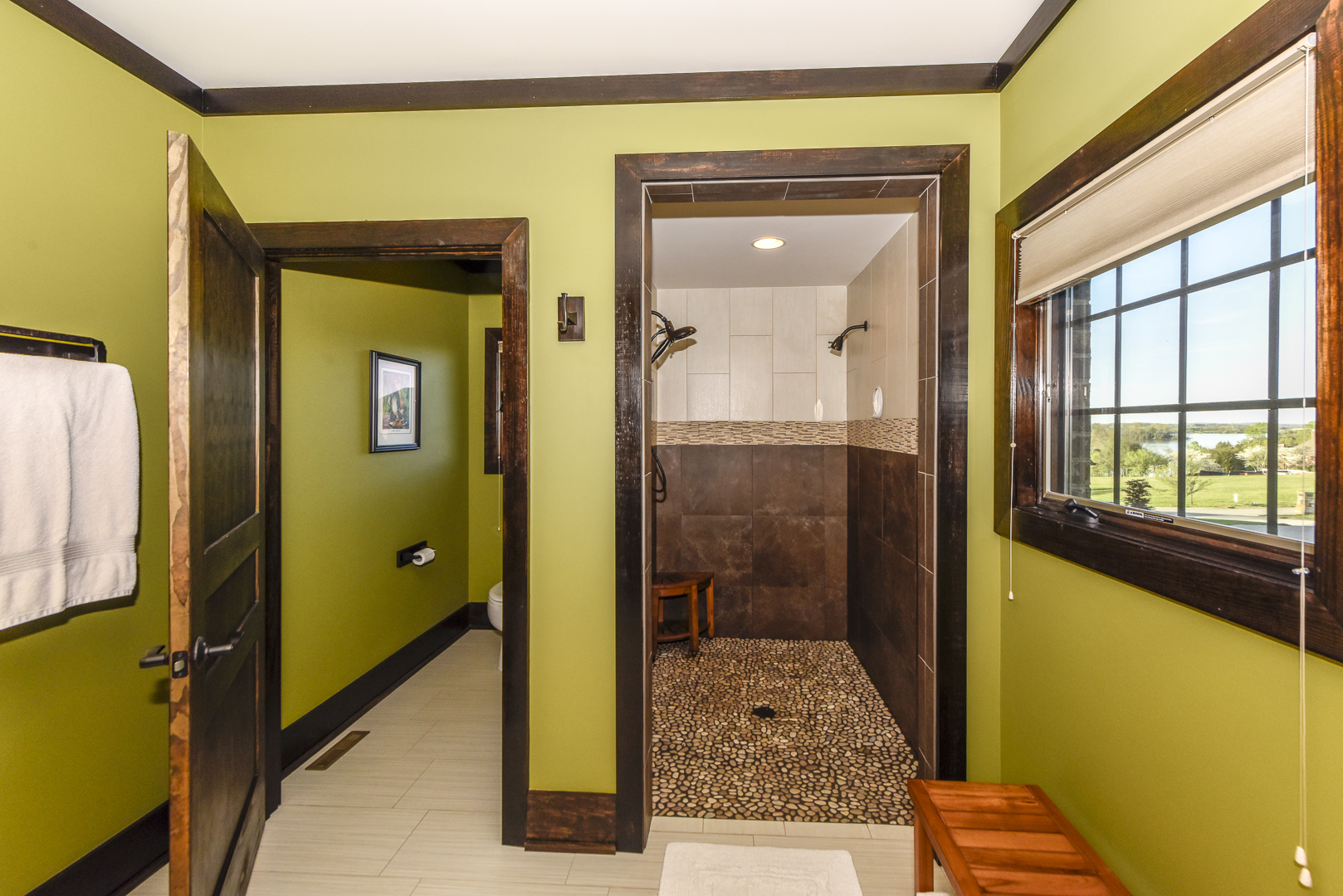
How Can Flooring Support Aging in Place?
Timber frame homes seamlessly integrate with universal design elements. It’s one of the many reasons retirees and empty nesters often build them for their forever home. For flooring, look for no-slip choices either in the material or the finish. Curbless shower entry and continuous flooring between rooms are safer for mobility support devices.
Next Steps
Ready to be floored? Step into our online gallery and see how flooring materials in real-life Woodhouse homes stand for seriously stunning style. Contact us and learn more.
Meet the Experts
Dwayne Shell reviewed this post. Dwayne is the Director of Sales and Marketing at Woodhouse, The Timber Frame Company with over 30 years of experience in conventional and manufactured home sales.