A well-designed driveway balances site constraints, everyday functionality, and architectural character. Here’s how to plan yours.
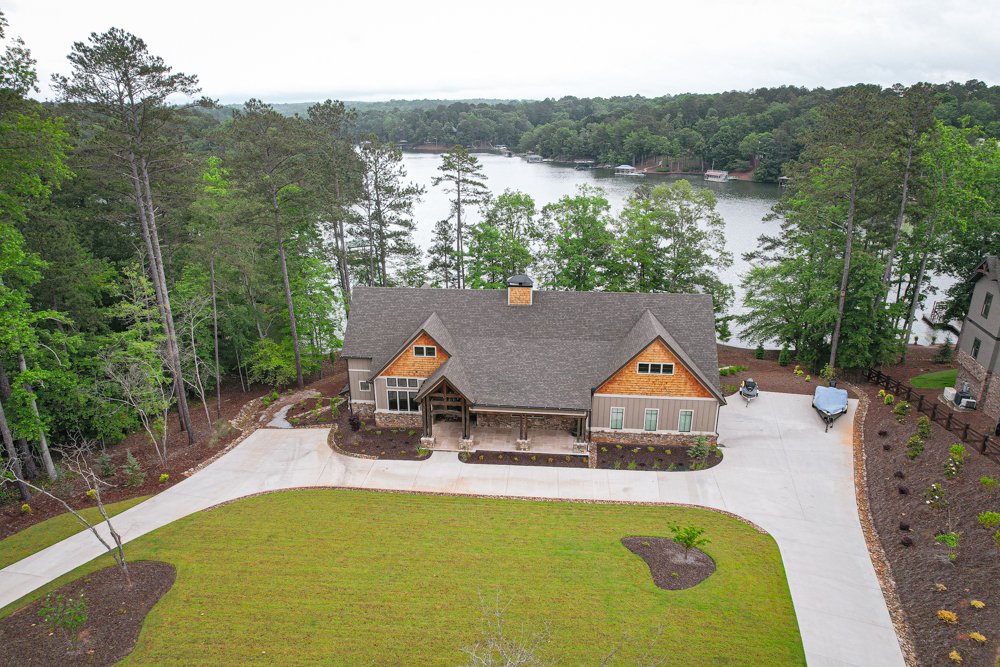
A driveway is much more than a route from the street to the garage. It shapes how a property functions day to day, influences curb appeal, and creates a visitor’s first impression of the home. In a custom timber frame home, the driveway also plays an important role in the overall site design, guiding the transition from the surrounding landscape to the architecture itself. Thinking about driveway design early—whether you’re evaluating land or developing a site plan—can help ensure a smoother design and construction process.
Site Conditions That Shape Driveway Design
Topography
The landscape plays a major role in both design flexibility and construction cost of both your driveway and whole home. Challenging grades, poor drainage patterns, or limited access for equipment can require additional excavation, retaining walls, drainage work, or other site improvements, making early evaluation essential.
Climate
You’ll also want to consider how the driveway will function throughout the seasons. A driveway that works well in dry conditions may require additional planning in regions prone to heavy rain, snow, or ice. (In colder climates, a heated driveway system can also be incorporated to help melt snow and ice and reduce the need for manual snow removal.) Slope, surface material, drainage, and snow removal all affect how safe and accessible the driveway remains throughout the year.
Length
Longer driveways often require additional grading, retaining walls, culverts, and ongoing maintenance. Visibility at entry points, turnaround space, privacy, and emergency vehicle access should also be considered.
Driveway Layouts and Arrival Styles
The right driveway layout depends on the site, the home’s architecture, and how the property will be used. Some of the most common approaches include:
Straight driveways are often the simplest and most cost-effective option, especially on narrow lots where every foot of usable space matters.

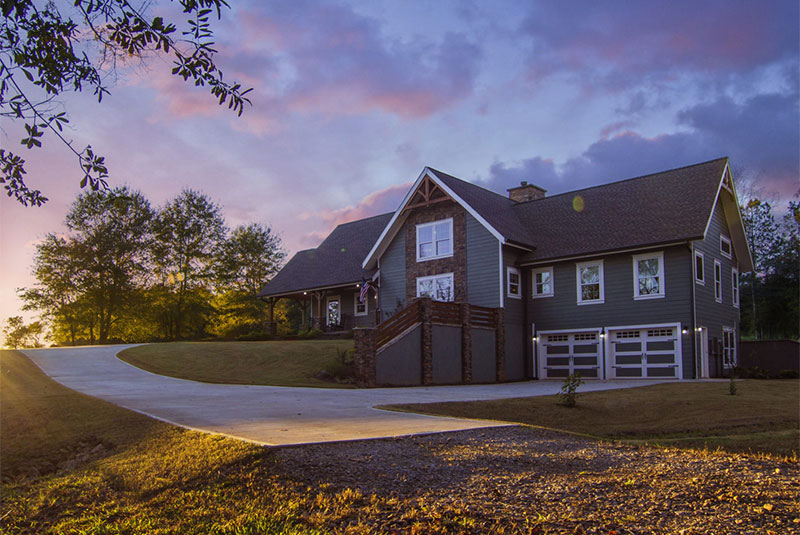
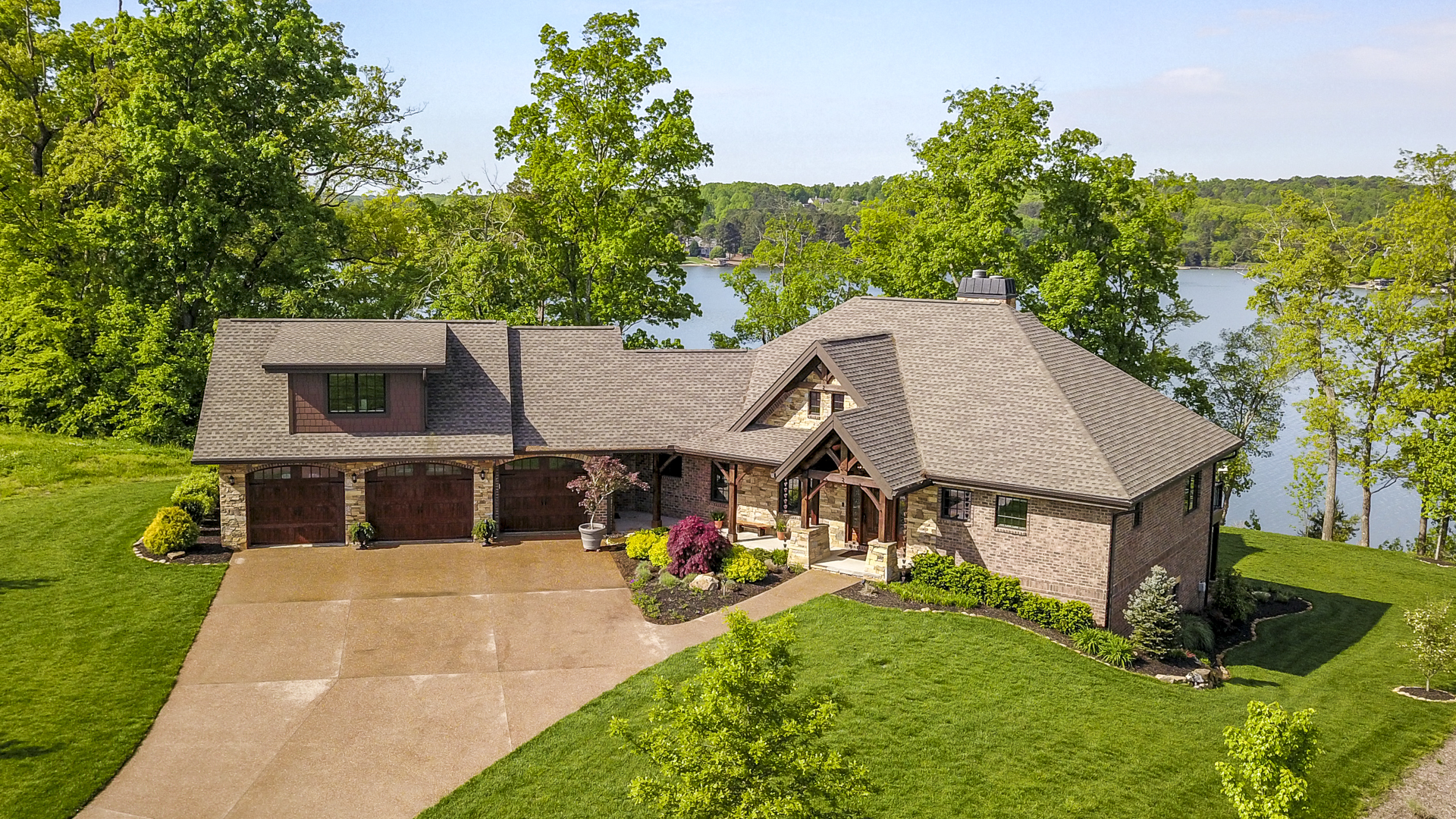
For a slower-paced approach, curved driveways slow the arrival experience and reveal the home more gradually, which can work especially well on wooded or sloped sites.
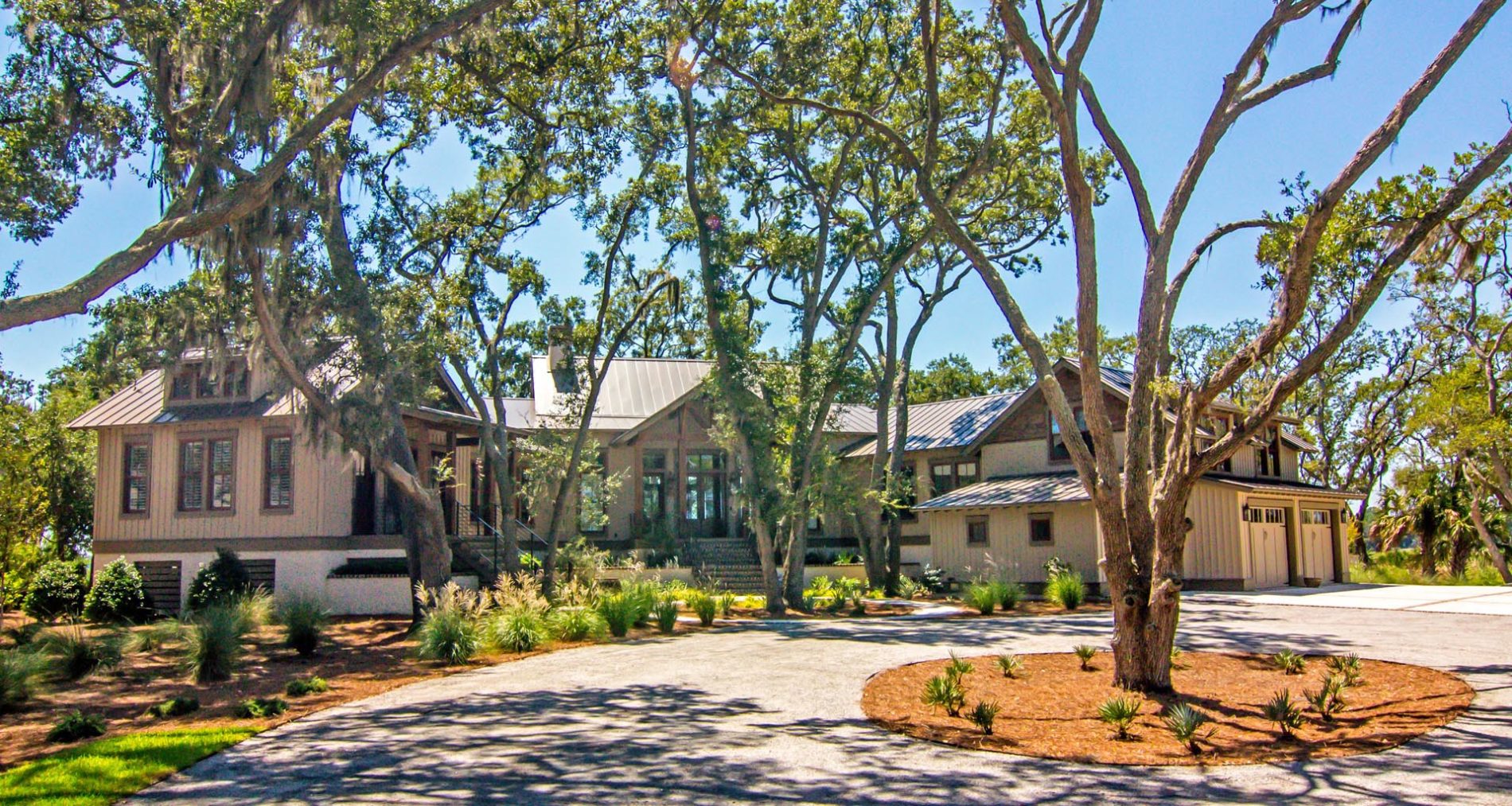
Circular driveways are well-suited for larger, more formal homes, allowing for smoother vehicle flow. For expansive residences or multi-structure compounds, this may take the form of a motor court or courtyard-style arrival, which can make the approach feel more composed and architecturally integrated.
Designing for Architectural Continuity
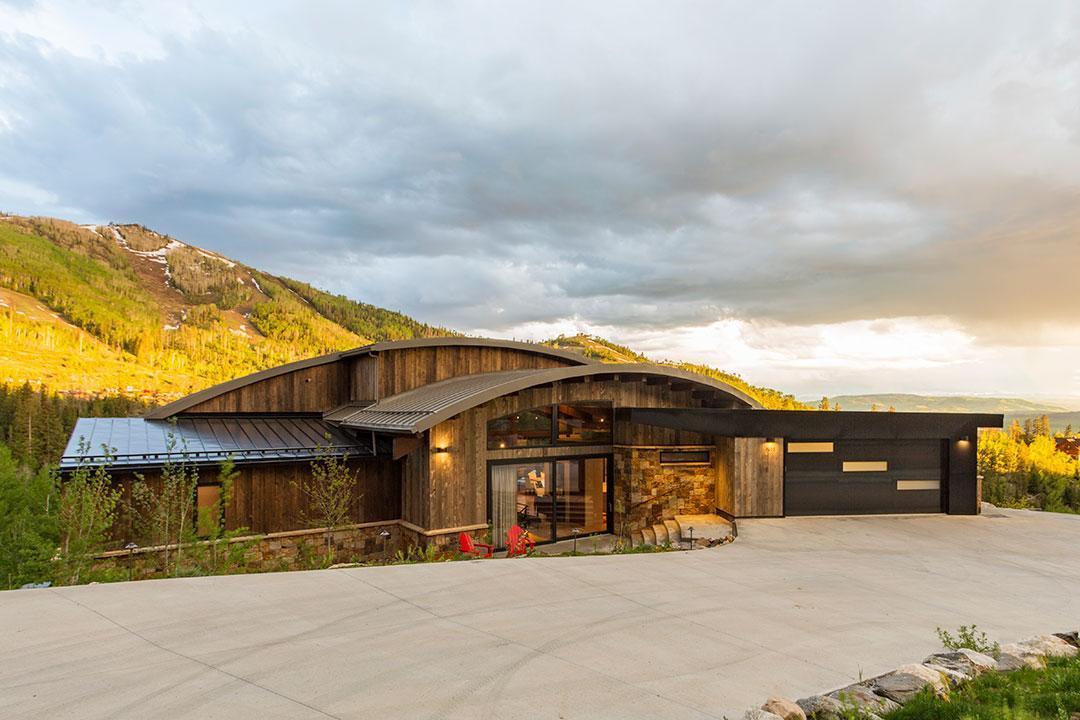
A well-designed driveway should feel like a natural extension of the home’s architecture rather than a separate feature. Material choices, edging, gates, lighting, and landscaping, also reinforce a home’s aesthetic. For example, rustic homes may feature gravel driveways, natural stone edging, timber entry gates, and gently winding approaches, while contemporary homes often favor concrete or paver surfaces, crisp edges, minimalist lighting, and steel accents. However, material selection should balance appearance with durability, drainage, maintenance, and how the driveway will perform in the local climate.
It’s worth noting that, during construction, heavy equipment can damage finished driveway surfaces, so many homeowners wait until the project is nearing completion before installing the final paving material.
Begin Visualizing Your Build
Like every aspect of a custom home, the best driveway designs begin with thoughtful planning. By considering site conditions, functionality, and architectural style from the outset, Woodhouse’s design team will work with homeowners to create an arrival experience that’s both practical and welcoming.
Ready to pull into the driveway of your forever home? Explore our custom timber framed homes for more inspiration. We’d love to help you build a home that suits your needs and lifestyle.
Meet the Experts
This post was reviewed by Dwayne Shell. Dwayne is the Director of Sales and Marketing at Woodhouse, The Timber Frame Company with over 30 years of experience in conventional and manufactured home sales.